
2026 Hyundai Elantra: What Safety Systems Are Standard?
Modern vehicle safety systems are designed to reduce the likelihood of collisions and protect occupants if an accident occurs. Over the past two decades, automotive safety technology has evolved from primarily passive protection features—such as seatbelts and airbags—to complex networks of sensors, cameras, and electronic control systems that actively monitor driving conditions. Manufacturers often group these technologies into two categories: active safety systems that help prevent accidents and passive safety systems that reduce injury during a collision.
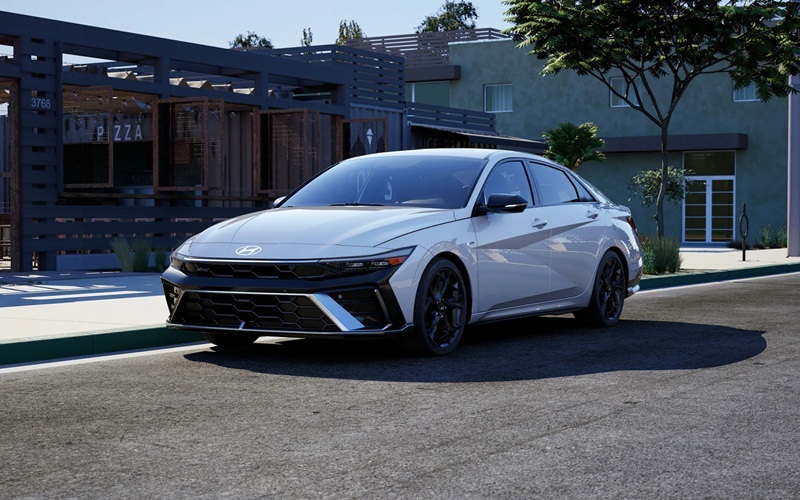
Compact sedans such as the Hyundai Elantra incorporate a wide range of safety technologies because drivers commonly use them for everyday transportation, commuting, and long-distance travel. To support these roles, modern vehicles must maintain stability, detect potential hazards, and assist drivers in maintaining control in challenging situations.
The Hyundai Elantra integrates multiple safety systems that operate simultaneously. These systems monitor the vehicle’s surroundings, analyze driving conditions, and provide warnings or interventions when necessary. Cameras, radar sensors, and electronic control units collect and process large amounts of data to support features such as automatic braking, lane monitoring, and driver awareness systems.
Elantra Active Safety Systems
Forward Collision Avoidance Assistance
Forward collision avoidance assistance is a system designed to reduce the risk of frontal collisions. It uses sensors such as radar units and forward-facing cameras to monitor the road ahead.
The system continuously measures the distance between the vehicle and objects in front of it. If the distance decreases rapidly and a potential collision is detected, the system alerts the driver through visual or audible warnings.
If the driver does not respond quickly enough, the system can automatically apply braking force to reduce the impact speed or avoid the collision entirely.
Automatic Emergency Braking
Automatic emergency braking works closely with forward collision monitoring systems. When the system determines that a collision is imminent and the driver has not applied sufficient braking, it automatically activates the braking system.
This intervention can significantly reduce collision severity. The system calculates braking force based on vehicle speed, distance to the obstacle, and available traction.
Automatic braking systems rely on rapid data processing from sensors and the vehicle’s braking control system.
Lane Keeping Assistance
Lane keeping assistance helps prevent the vehicle from unintentionally drifting out of its lane. A forward-facing camera monitors lane markings on the road surface.
If the vehicle begins to move toward the edge of the lane without the driver activating a turn signal, the system alerts the driver. In some cases, it can apply gentle steering adjustments to guide the vehicle back toward the center of the lane.
This system is particularly useful during highway driving or situations where driver fatigue may affect attention.
Vehicle Stability Systems
Electronic Stability Control
Electronic stability control helps maintain vehicle control during sudden maneuvers or slippery conditions. The system continuously monitors steering input, wheel speed, lateral acceleration, and vehicle rotation.
If the system detects the vehicle beginning to skid or deviate from the driver’s intended path, it reduces engine power and applies braking force to individual wheels.
This targeted braking helps restore stability and keep the vehicle on its intended trajectory.
Traction Control System
Traction control works in conjunction with stability control to prevent wheel spin during acceleration. Wheel speed sensors detect when one wheel rotates faster than others, indicating a loss of traction.
The system responds by reducing engine torque or applying braking to the slipping wheel. This helps redirect power to the wheels with better contact with the road surface.
Traction control is especially useful when driving on wet pavement, snow, or loose gravel.
Anti-lock Braking System
The anti-lock braking system prevents wheels from locking during hard braking. Locked wheels can cause the vehicle to slide across the road surface, reducing steering control.
The system rapidly modulates brake pressure to keep the wheels rotating while slowing the vehicle. This allows the driver to maintain steering control even during emergency braking.
Anti-lock braking systems operate through electronic sensors and hydraulic brake modulation.
Driver Awareness Technologies
Driver Attention Monitoring
Driver attention monitoring systems analyze driving patterns to detect signs of fatigue or reduced concentration. The system evaluates factors such as steering corrections, lane position, and driving duration.
If the system detects irregular patterns, it may display a warning recommending that the driver take a break.
These systems help reduce the risk of accidents caused by fatigue or distraction.
Rear Occupant Alert
Elantra rear occupant alert systems remind drivers to check the rear seats before leaving the vehicle. This feature prevents situations where passengers or items are unintentionally left in the back seat.
Sensors or monitoring systems detect when rear doors have been opened earlier in the trip. When the vehicle is turned off, a reminder message appears on the instrument display.
This feature contributes to overall passenger safety.
Parking and Visibility Assistance
Rearview Camera System
A rearview camera provides a live video display of the area behind the vehicle when reversing. The camera is mounted near the rear of the vehicle and sends video images to the central display screen.
Guidelines displayed on the screen help the driver judge distances while maneuvering.
Rearview cameras help reduce the risk of collisions with objects or pedestrians when reversing.
Rear Cross-Traffic Alert
Rear cross-traffic alert monitors the area behind and to the sides of the vehicle when reversing. Radar sensors detect vehicles approaching from either direction.
If another vehicle is detected while the driver is backing out of a parking space, the system provides visual and audible warnings.
This feature improves awareness in situations where visibility may be limited.
Passive Safety Systems
Airbag System
The Hyundai Elantra includes multiple airbags designed to protect occupants during a collision. These typically include front, side, and curtain airbags.
Airbags deploy when sensors detect a significant impact. The rapid inflation of the airbags creates a cushioning barrier that reduces the risk of injury.
A network of crash sensors and a central safety control unit controls deployment decisions.
Seatbelt Pretensioners
Seatbelt pretensioners are designed to tighten the seatbelt immediately upon detecting a collision.
By removing slack from the seatbelt, pretensioners help keep occupants securely positioned in their seats before the main impact occurs.
This improves the effectiveness of both seatbelts and airbags during a crash.
Energy-Absorbing Vehicle Structure
The structural design of the vehicle body plays a critical role in passenger protection. The passenger compartment is reinforced with high-strength steel to create a protective safety cage.
In the event of a collision, designated crumple zones at the front and rear of the vehicle absorb impact energy by deforming in a controlled manner.
This design reduces the amount of force transmitted to the occupants.
Integrated Safety Control Systems
Central Safety Control Unit
Modern safety systems rely on a central electronic control unit that processes data from multiple sensors throughout the vehicle.
The Elantra control unit monitors wheel speed, braking pressure, steering input, and vehicle motion. When necessary, it activates safety systems such as braking assistance or stability control.
The ability to coordinate multiple systems allows the vehicle to respond quickly to potential hazards.
Sensor Fusion Technology
Sensor fusion combines data from different sensors—such as radar units, cameras, and motion sensors—to build a more accurate understanding of the environment around the vehicle.
For example, cameras may identify lane markings while radar sensors detect the speed and distance of other vehicles.
By combining these data sources, the safety system can make more reliable decisions about when to warn the driver or intervene.
Multi-Layer Safety Strategy
Accident Prevention
The first layer of safety focuses on preventing accidents through driver assistance technologies. Systems such as collision avoidance and lane keeping assistance monitor the driving environment and alert the driver to potential hazards.
Stability and Control
The second layer includes systems such as traction control and electronic stability control. These systems help maintain vehicle stability when traction is reduced.
Occupant Protection
The final layer focuses on protecting occupants in the event of a collision. Airbags, seatbelt systems, and structural reinforcements work together to reduce injury risk.
2026 Hyundai Elantra FAQ Section
What safety systems come standard in the 2026 Hyundai Elantra?
The vehicle typically includes automatic emergency braking, lane-keeping assistance, traction control, electronic stability control, airbags, and driver-monitoring systems.
How does automatic emergency braking work?
Sensors detect potential collisions and can automatically apply the brakes if the driver does not react quickly enough.
What is the purpose of electronic stability control?
Electronic stability control helps maintain vehicle stability by applying braking to individual wheels and reducing engine power when the vehicle begins to skid.
Does the 2026 Hyundai Elantra monitor driver attention?
Yes. Driver attention monitoring systems analyze driving behaviour and alert the driver when they detect signs of fatigue or distraction.
How do airbags protect passengers during a crash?
Airbags inflate rapidly when crash sensors detect a collision, providing cushioning that helps reduce the risk of head and chest injuries for occupants.
*Disclaimer: Content contained in this post is for informational purposes only and may include features and options from US or internacional models. Please contact the dealership for more information or to confirm vehicle, feature availability.*


